
How to Buy Tissot First Copy Watch in India (2026 Buyer’s Guide)
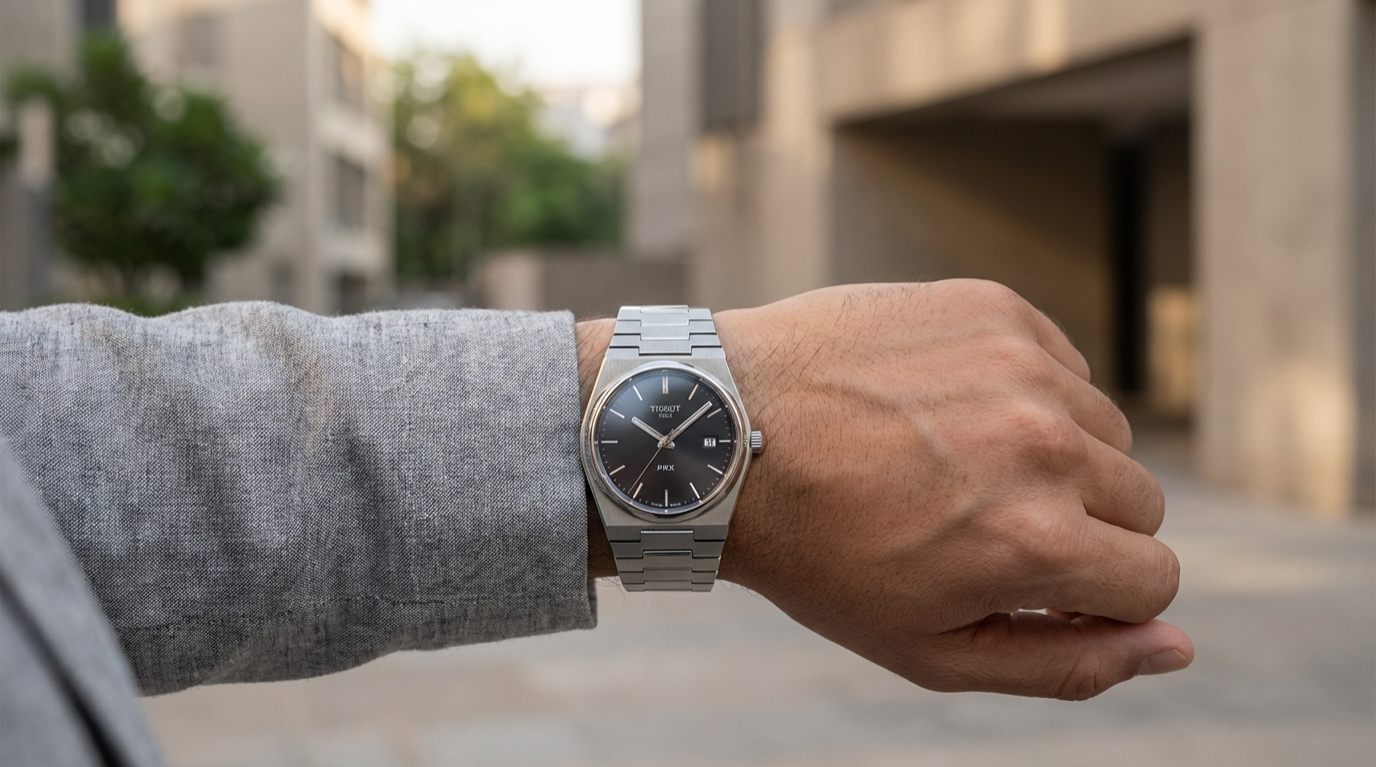
Introduction
Luxury is in each detail.” That’s what Tissot stands for.
But let’s be honest — not everyone wants to spend ₹40,000–₹1,00,000 on a Swiss watch.
That’s exactly why Tissot first copy watches are trending in India. They offer the design, prestige, and sporty elegance of Tissot — without the heavy price tag.
But here’s the catch…
Not all first copies are equal. Some look stunning. Others? Cheap, lightweight, and disappointing.
In this guide, I’ll walk you through:
-
- How to buy Tissot copy watch safely
- How to spot high-quality pieces
- What price range makes sense
- Where most buyers make mistakes
- How to buy Tissot copy watch safely
If you’re planning to buy one read this first.
Why Tissot First Copy Watches Are Popular in India
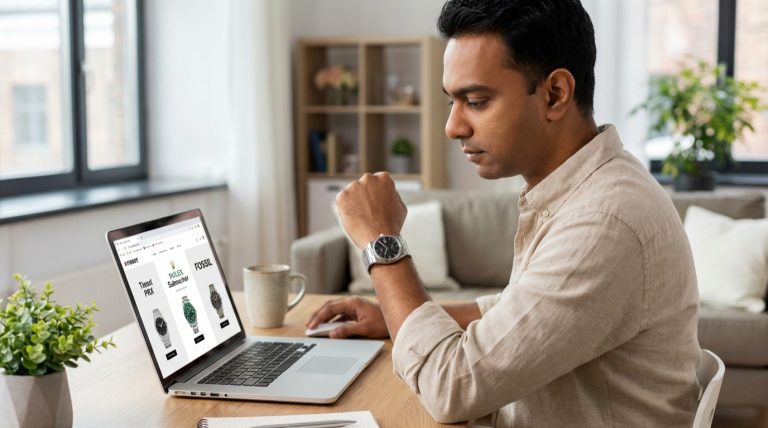
I started noticing something a few years back. More and more people weren’t just asking for “a good watch,” they were asking for something that looked Swiss. That growing demand for affordable luxury watches in India is very real, and Tissot first copy watches sit right in that sweet spot between aspiration and practicality.
Tissot as a brand carries serious reputation. Even people who aren’t deep into horology recognize the name. It’s seen as entry-level Swiss luxury, which makes it desirable but still somewhat reachable. The problem is, original models like the PRX or Seastar can still stretch budgets more than most are comfortable with. That’s where first copy versions come in.
I’ve seen huge interest around models like the PRX, especially because of that integrated bracelet design. The Seastar appeals to buyers who want a sporty diver look. The Chronograph T-Race has that bold, racing dial which honestly grabs attention fast. And when people hear “Silicium” on a dial, even if they don’t fully understand it, it sounds premium. Social media definitely fuels this. Instagram reels, fashion influencers, even wedding photos, watches are now part of the outfit story.
Lifestyle plays a role too. Many buyers want something that looks refined for office wear but still stands out at events. A Tissot copy gives that Swiss aesthetic without the financial pressure of owning the original.
At the end of the day, it’s about balance. Not everyone wants to spend lakhs on a Swiss original, but they still want the design language and prestige. If you want a broader breakdown of how first copy watches work in India, the First Copy Watches in India Guide connects all these dots in one place.
Understanding Quality Levels (AAA vs Premium vs Super Clone)
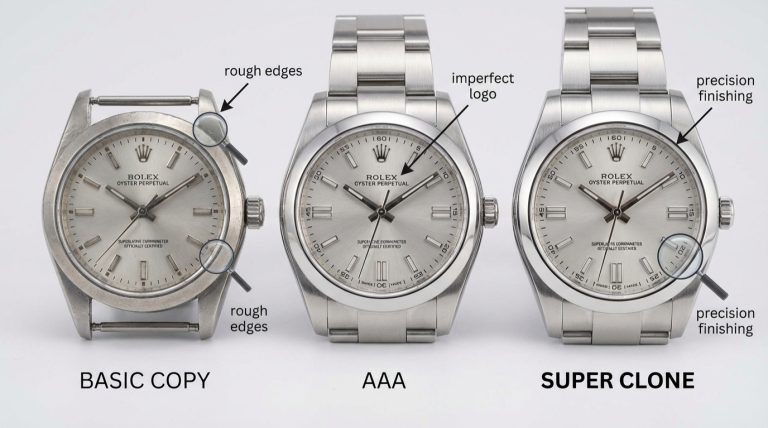
I’ll be honest, the first time I saw terms like AAA, Premium, and Super Clone, I thought they were official quality grades. Like some hidden industry ranking system. Later I realized… most of it is just marketing language, especially in the Indian market.
Let’s start with basic copy vs premium Japanese first copy. Basic copies are usually lightweight, use low-cost quartz movements, and the finishing is average at best. The dial print may look fine in photos, but in hand you’ll notice uneven fonts or sharp bracelet edges. Premium Japanese first copies typically use better quartz or automatic movements, heavier stainless steel cases, and cleaner dial alignment. The difference is felt immediately when you hold it.
Now about “AAA” quality. In India, AAA doesn’t have a fixed technical definition. It generally means “better than average,” but that can vary seller to seller. I’ve seen some AAA watches that were solid, and others that honestly felt basic. So don’t rely on the label alone. Ask about weight, movement type, and case material instead.
Super clone vs normal first copy is where things get interesting. Super clones aim to replicate the original almost 1:1 in terms of proportions, finishing, and detailing. The weight is closer to original specs, engravings are sharper, and even clasp mechanisms are improved. Normal first copies look good from a distance but may cut corners in detailing.
In terms of value for money, premium Japanese first copies usually hit the sweet spot. Super clones cost more and are great for enthusiasts, but for daily wear, premium is often enough.
If you’re unsure what level suits you, I break the buying mindset down in How to Choose First Copy Luxury Watch, and also cover red flags in Common Problems with Copy Watches. Understanding quality tiers saves you from paying premium prices for average quality.
How to Check Quality Before Buying
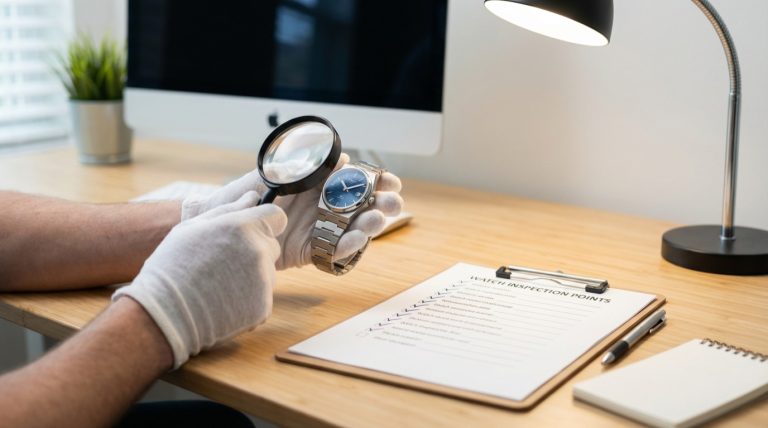
Over time, I’ve realized one thing — photos can lie, but small details don’t. If you know where to look, you can spot quality instantly. Here’s a practical checklist I always recommend.
🔎 Dial & Finishing (This Is Where Quality Shows First)
The dial is the face of the watch. Any compromise here usually means shortcuts elsewhere.
✔ Logo Alignment
Check if the logo is perfectly centered and straight. Crooked logos are a major red flag.
✔ Index Alignment
Hour markers should line up cleanly with minute markers. Misaligned indices are common in low-grade copies.
✔ Font Sharpness
Look closely at brand text and model name. Blurry edges or uneven thickness indicate poor printing quality.
✔ Date Window Placement
The date window should sit evenly within its frame. If it looks slightly shifted or too deep, that’s a sign of a basic build.
✔ Lume Quality
If the watch claims luminous markers, check if the glow is even across all indices. Patchy lume usually means low-grade finishing.
✔ Dial Printing
Premium copies have crisp, layered printing. Cheap ones look flat and slightly faded.
You can apply similar checks explained in our Rolex quality guide.
⌚ Movement Type (What’s Inside Matters)
Most first copies come with either quartz or automatic movements.
Quartz vs Automatic
Quartz is battery-powered and generally more reliable for daily wear. Automatic gives you the mechanical feel but depends heavily on movement quality.
Japanese Movement Preference
If you’re choosing automatic, Japanese movements are usually more stable and accurate compared to generic Chinese ones.
Sweep Seconds Smoothness
A smoother second-hand sweep often indicates a better automatic movement. Jerky or inconsistent motion is a warning sign.
🧱 Build & Material (Feel the Weight)
A good first copy should feel solid in hand.
Stainless Steel Case
It should feel heavy and sturdy, not hollow or tinny.
Strap Quality
Check clasp strength and bracelet finishing. Sharp edges or rattling sounds suggest low quality.
Glass Type (Hardlex / Sapphire-like)
Premium copies often use Hardlex or sapphire-like coated glass, which resists scratches better than basic mineral glass.
What Is the Ideal Price Range for Tissot First Copy in India?
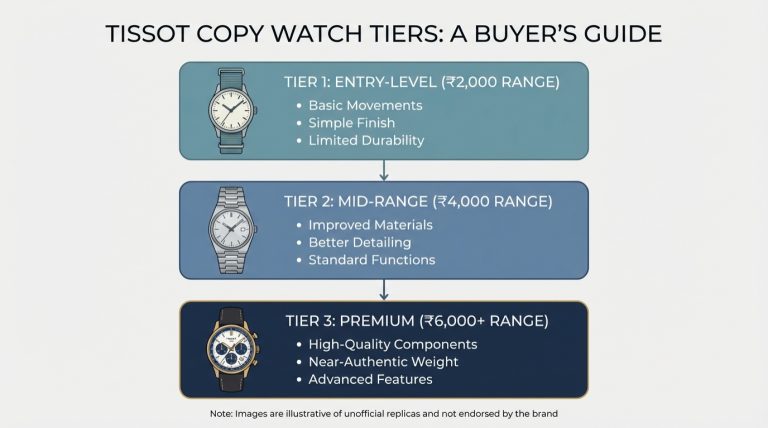
Let’s start with basic copies (₹1,500–₹2,500). These are the ones you see everywhere, and at that price they’re tempting — super tempting. Honestly, I bought one just because it was under 2K and “looked like a Tissot” in the photo. But when it arrived, the case felt light, the dial printing looked flat, and within months the ticking sound got weird. These budget copies aren’t terrible, but they often cut corners on materials and movement quality.
Then there’s the good AAA models (₹2,500–₹4,000). This is usually where things start to feel right. I noticed watches in this range felt heavier in hand, had sharper logos and clean index alignment, and the bracelets didn’t rattle like toys. They’re still affordable, but the quality feels closer to what you expect — more solid stainless steel, better finishing, and consistent timekeeping.
If you step up to high quality with Japanese machinery (₹4,000–₹6,000+), you start getting watches that feel genuinely premium. I once bought one with a Japanese automatic movement around ₹4,800, and the sweep of the seconds hand was noticeably smoother. The case and clasp felt sturdier too, almost like a watch that should cost way more.
So why are extremely cheap options risky? Because they often use thin alloy cases, weak straps, and low-grade quartz movements that fail sooner than later. You might save a couple hundred bucks, but you’ll probably end up replacing it.
When I compare value vs price, the sweet spot for most Indian buyers is that ₹2,500–₹4,000 range. You get build quality that lasts, decent aesthetics, and fewer surprises. Cheap can be tempting, but value — that’s where satisfaction lives.
You can checkout the huge collection of the Tissot First Copy Watches here on WatchTown where you’ll find every watch from that brand according your budget
Where to Buy Tissot First Copy Watch Safely

If there’s one mistake I see people make again and again, it’s rushing to buy a Tissot first copy watch from the first flashy Instagram page they see. I’ve done it too. The photos looked premium, the price was crazy low, and the seller kept saying “last piece left bro.” Turns out, the watch delivered was totally different from the product images. Lesson learned the hard way.
When it comes to COD vs prepaid, I’ll be honest — I prefer Cash on Delivery, especially if it’s a new seller. COD adds a layer of trust because payment is made after the parcel arrives. But here’s the thing: serious niche stores sometimes offer prepaid discounts, and that’s okay if the store has proper reviews, product pages, and clear policies. If everything looks legit and secure checkout is enabled, prepaid isn’t scary.
Now about Instagram scam sellers… if the page has only 10 posts, no tagged photos, comments turned off, and zero website link, run. A real eCommerce store will have detailed product descriptions, model numbers, movement details (like quartz or automatic), and high-quality product videos. Videos matter a lot. You need to see the dial finish, chronograph working, date wheel alignment — not just edited pictures.
Return policies are huge. If a seller doesn’t clearly mention 3–7 day returns or exchange terms, that’s a red flag. It should be written clearly, not “DM for details.” Policies that are hidden usually mean problems later.
Personally, I always recommend buying from trusted niche stores that specialize in first copy watches, not random resellers. That’s exactly why I built WatchTown — a focused platform where you can see detailed specs, real product videos, and transparent return policies.
If you want safer buying tips and verified options, check out WatchTown for more information.
Conclusion: Buy Smart, Not Just Cheap
Buying a Tissot first copy watch in India isn’t about hunting for the cheapest ₹1,999 deal you saw in some random ad. Trust me, I’ve fallen for that once. The watch looked shiny in photos, but the strap cracked in two months and the chronograph buttons were just for show. It was a waste, honestly.
What actually matters is the quality level you’re choosing. There’s a big difference between low-grade copies and premium first copy watches with solid stainless steel cases, proper weight, and working chronographs. I always tell people to check the movement type — is it Japanese quartz, automatic, or just a basic local movement? That one detail alone can decide how smooth your experience will be. A decent quartz movement should keep accurate time, not drift like crazy after a week.
Then comes seller credibility. This part is huge. If the seller can’t clearly explain the specs, return policy, and provide real product videos, something’s off. A reliable store will be transparent about pricing too. Realistic pricing matters — if a “premium” Tissot first copy is being sold for dirt cheap, corners were definitely cut somewhere.
Here’s the truth most people don’t say: a premium Tissot first copy is about style value, not brand authenticity or investment returns. But if you understand exactly what you’re buying — the materials, movement, and limitations — it can deliver incredible value for the price.
Choose smart. Compare carefully. And always invest in quality over hype.
For more detailed buying guides, comparisons, and trusted options, explore WatchTown where smart buyers go before making a decision.